America's inland waterway system wasn't built to last forever. Yet today, more than 80% of the locks and dams that keep freight moving have already exceeded their original 50 year design life. For the companies that rely on inland waterways, that statistic is an epic blow to their operating environment. It’s also a reality check; aging infrastructure has become a permanent variable in supply chain planning, influencing everything from transit times to transportation costs and customer commitments.
Fortunately there are encouraging signs that long-term improvements are on the horizon. The Water Resources Development Act (WRDA) of 2024 introduced one of the most significant funding changes the inland waterways industry has seen in decades, increasing the federal share of construction costs and unlocking an estimated $460 million in additional appropriations for future projects. It's a meaningful step forward and one the industry has long advocated for.
But infrastructure moves on infrastructure timelines. Modernizing locks and dams takes years of engineering, permitting, funding, and construction. While those projects advance, shippers still have freight moving across the Mississippi, Ohio, Tennessee, Illinois, and other inland river systems every day. Under these circumstances, waiting for the network to improve isn't a sustainable strategy. Learning to operate more effectively within today's constraints is.
The Numbers Behind America's Inland Waterway Infrastructure
The scale of the inland waterway system is difficult to overstate. Each year, it carries approximately 580 million tons of cargo, connecting 38 states and supporting industries ranging from agriculture and energy to manufacturing and construction. Barges remain one of the most efficient ways to move bulk commodities, making the health of the lock system critical to both regional and national supply chains.
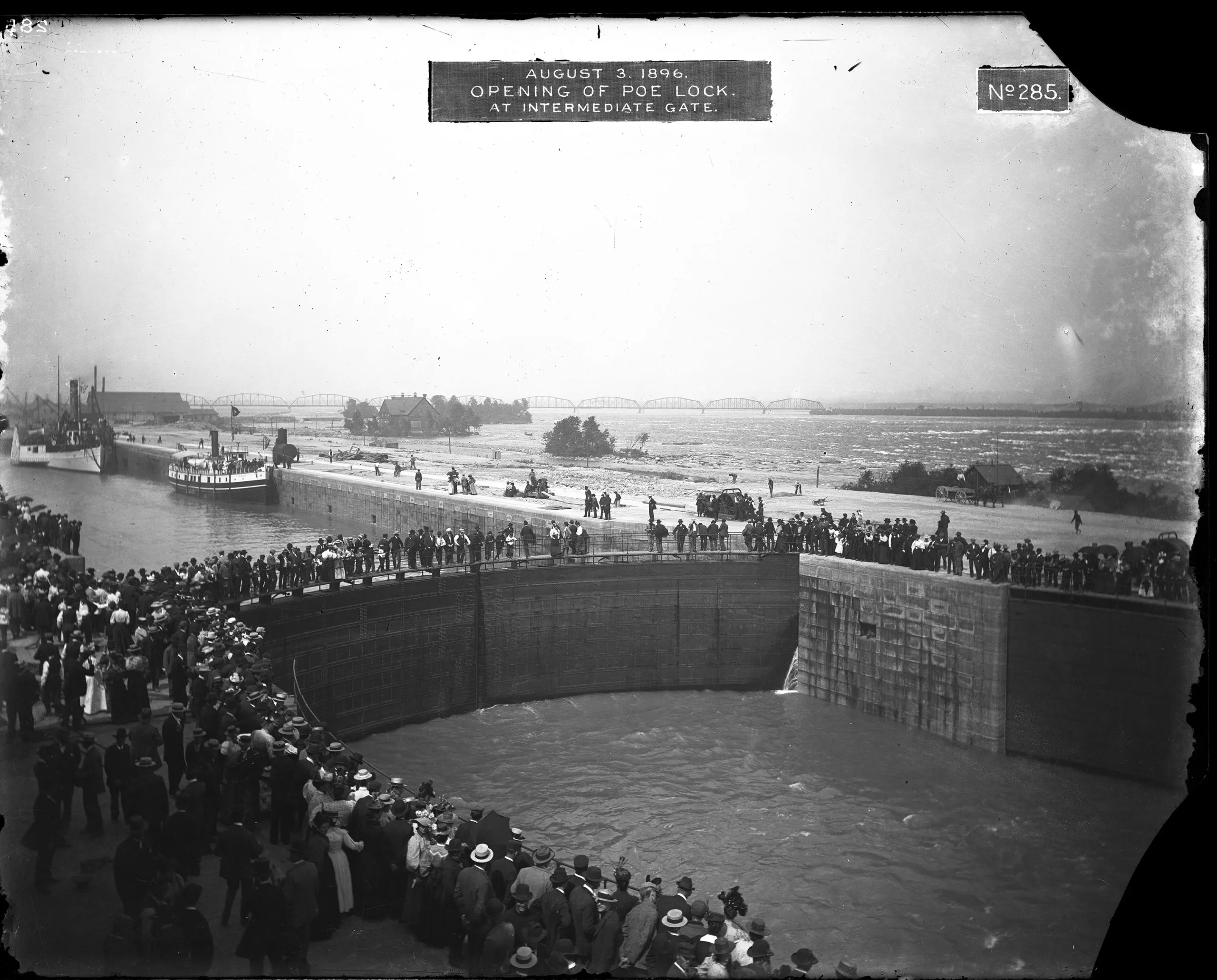
But much of that infrastructure dates back to the 1950s and 1960s. Most locks were originally designed with an expected service life of about 50 years, yet many continue operating decades beyond that benchmark. It's a testament to the work of the U.S. Army Corps of Engineers and local operators that the system continues to function as reliably as it does, but it also means maintenance, rehabilitation, and unexpected outages have become increasingly common.
WRDA 2024 acknowledges this reality. By shifting the Inland Waterways Trust Fund formula from a larger industry cost share to a 75% federal, 25% industry funding model, Congress created additional capacity to modernize aging infrastructure over the coming years. It's an important policy shift, but one that won't eliminate operational challenges overnight.
When One Lock Stops, the Supply Chain Doesn't Pause
Unlike highway traffic, river transportation has very few opportunities to reroute around a bottleneck. A single lock closure can delay dozens of tows, and when multiple maintenance projects or unexpected outages occur along the same corridor, those delays compound quickly. What begins as a one day disruption can ripple through the network for days, or sometimes even weeks, as equipment, crews, and cargo all fall out of sequence.
For agricultural shippers, timing is particularly unforgiving. Missing a key export window during harvest isn't something that can just be recovered later in the season. Industrial manufacturers face their own challenges, especially when production schedules depend on the steady movement of chemicals, aggregates, steel, or other bulk materials. Delays increase inventory costs, create pressure on storage capacity, and make timely operations significantly harder to maintain.
Even when freight is diverted to rail or truck, the solution often comes with higher transportation costs and reduced capacity. Add in demurrage, storage fees, and greater insurance exposure from unpredictable schedules, and a lock closure quickly escalates from a transportation issue to a business issue.
The Good News? Many Closures Aren't Actually Surprises.
While not every disruption can be anticipated, since issues like mechanical failures and emergency repairs will always be part of operating an aging infrastructure network, scheduled maintenance does provide the opportunity for preparation.
The U.S. Army Corps of Engineers publishes planned closure schedules well in advance, giving operators months or even years to understand when critical segments of the network will be unavailable. Yet some organizations still treat these announcements as operational news rather than planning data.
Part of the challenge is technological. Most transportation management systems weren't designed to incorporate lock schedules into routing decisions or continuously evaluate alternative scenarios as conditions change. As a result, route planning often remains static until a disruption is already underway. And while the upfront cost of updating an outdated TMS may seem daunting, that reactive approach can be decidedly and significantly more expensive.
As infrastructure ages, the organizations that consistently outperform their competitors haven’t somehow determined a way to avoid disruptions. But they have made the conscious decision to incorporate those disruptions into their planning process from the very beginning.
Turning Infrastructure Risk Into a Planning Advantage
Operational resilience starts by treating scheduled closure calendars the same way companies treat seasonal demand forecasts or customer production schedules: as inputs that influence routing decisions before freight begins moving. From there, planners can evaluate alternative routes, understand the capacity constraints that may exist on neighboring river segments, and build flexibility into transportation plans before congestion develops.
Relationships matter as well. Maintaining access to multiple tow operators across different regions provides more options when conditions change unexpectedly, while shortening the time between identifying a disruption and making a routing decision can significantly reduce downstream impacts. This is where real-time operational visibility becomes invaluable.
OpenTug's Signal Optimization continuously monitors route performance and changing network conditions, helping operators identify emerging issues before they become costly delays. Combined with route scenario planning, teams can compare transit times, costs, and operational tradeoffs across multiple routing options before committing equipment and cargo, allowing decisions to be driven by current network conditions rather than static assumptions.
Reacting faster is a great start, but the ability to make smarter decisions before disruptions begin affecting customers? Even better.
The Long-Term Outlook Is Improving, But Today's Supply Chains Still Need a Plan
WRDA 2024 marked a significant milestone after years of industry advocacy, and discussions around WRDA 2026 signal continued momentum toward modernizing America's inland waterways. Those investments will strengthen the network over time and help improve reliability for generations of shippers. In the meantime, the system that exists today is the one supply chains have to navigate.
For operators that embrace better planning, real-time visibility, and scenario modeling, aging infrastructure doesn't have to become a limiting factor. The locks will eventually be rebuilt, but the companies that gain the most from those improvements will likely be the ones that learned how to manage today's constraints long before tomorrow's infrastructure arrives.
Want to get ahead of the next closure? See how OpenTug helps operators monitor network conditions, evaluate routing alternatives, and stay one step ahead of changing waterway conditions.

.png)